Rhode Island Red
Rhode Island Red Chicken Breed Guide
The Rhode Island Red chicken is one of the most recognized and dependable backyard chicken breeds in the United States. Known for its high egg production, hardy nature, and adaptability, it has been a favorite among small farms and backyard flock owners for more than a century. If you’re looking for a productive and resilient layer, the Rhode Island Red is often near the top of the list.
Temperament and Personality
Rhode Island Reds are confident, alert, and active birds. While they are not usually aggressive, they can be more assertive than calmer breeds like Buff Orpingtons. In mixed flocks, they may establish a higher position in the pecking order.
Many hens are friendly and can become comfortable around humans, especially when raised with regular handling. However, they are generally considered more independent than “lap chicken” breeds.
Because of their confident temperament, they are often better suited for owners who are comfortable managing flock dynamics.
Egg Production
Rhode Island Red hens are known for their excellent egg production. Most hens lay between 250 and 300 large brown eggs per year, making them one of the best traditional laying breeds available.
They typically begin laying at around 18–20 weeks of age and maintain strong production for several years. Their consistency makes them ideal for families who want a reliable daily egg supply.
Unlike some breeds, Rhode Island Reds are less prone to broodiness, which means fewer interruptions in egg production.
Cold Hardiness and Climate Suitability
Rhode Island Reds are highly adaptable and perform well in both cold and moderately warm climates. Their medium-to-heavy body type and single comb allow them to tolerate winter conditions, though comb frostbite can be a concern in extreme cold.
For backyard flocks in New Jersey, Rhode Island Reds are a strong choice due to their resilience and consistent laying even during colder months.
In hot weather, they generally tolerate heat better than heavier, fluffier breeds. Providing shade, ventilation, and fresh water ensures they stay comfortable during summer.
Size and Appearance
Rhode Island Reds are a dual-purpose breed originally developed for both meat and egg production.
- Hens typically weigh 6–7 pounds
- Roosters can reach 8–9 pounds
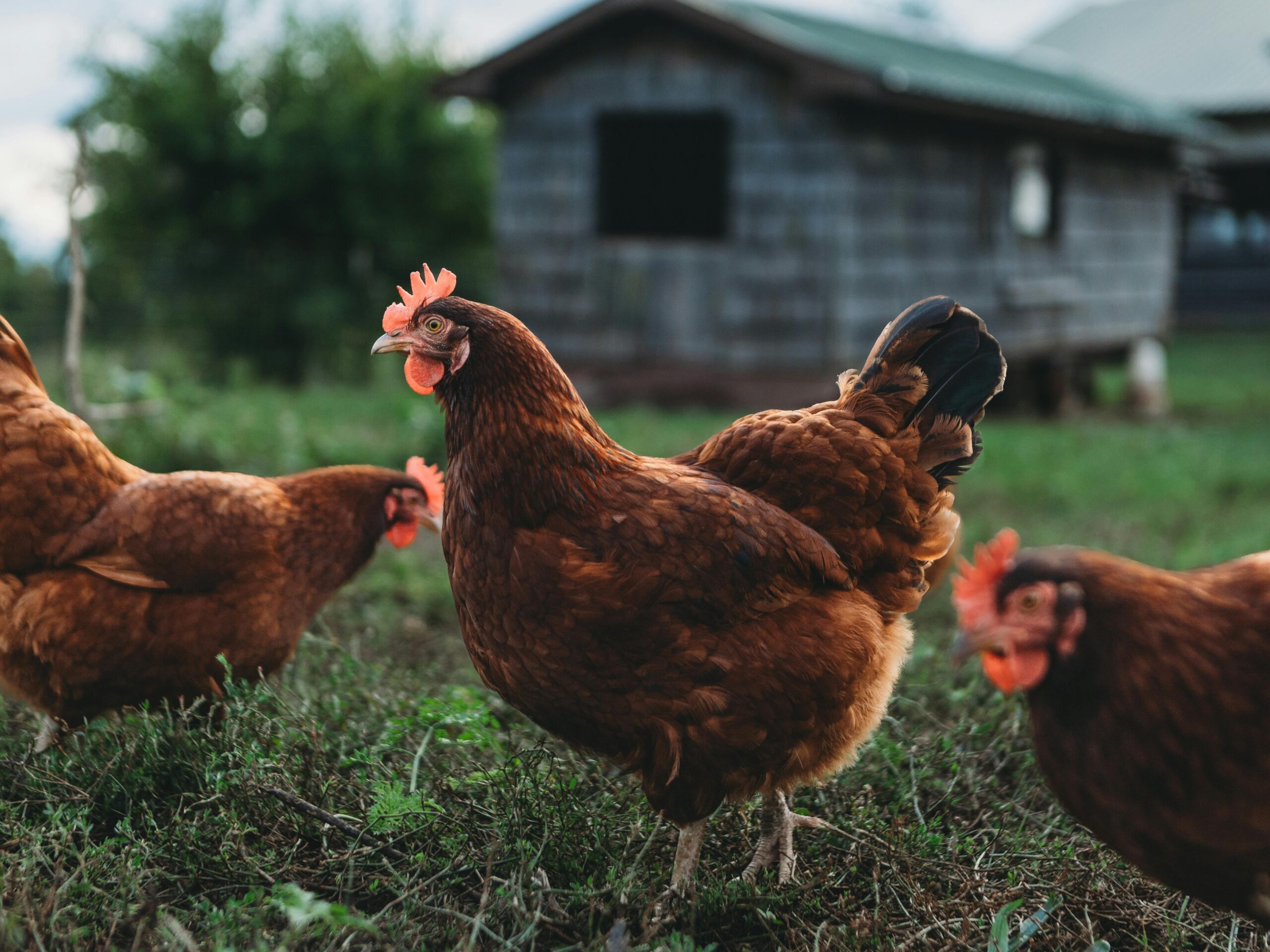
They are known for their deep mahogany-red feather coloring and sleek, solid body shape. Their appearance is practical rather than ornamental, reflecting their utility-focused breeding history.
Broodiness and Mothering Ability
Rhode Island Red hens are not commonly broody. This makes them ideal for egg production-focused flocks, as they are less likely to stop laying to sit on a nest.
If you are looking to hatch chicks naturally, another breed may be more reliable as a broody hen.
Pros and Cons of Rhode Island Red Chickens
Pros
- Excellent egg production
- Hardy and adaptable
- Good for colder climates
- Dual-purpose (eggs and meat)
- Generally low broodiness
Cons
- Can be dominant in mixed flocks
- Not typically as docile as some beginner breeds
- Roosters can be protective
Is the Rhode Island Red Right for You?
If your primary goal is strong, consistent egg production with a hardy and resilient bird, the Rhode Island Red is one of the best traditional breeds available. They are especially well-suited for backyard flocks that prioritize productivity and durability.
For New Jersey backyard chicken keepers looking for a dependable brown egg layer, Rhode Island Reds are a proven and time-tested option.